Introduction
Undergoing stoma surgical treatment can be a life-altering experience for many people. From the initial diagnosis to the post-operative recuperation phase, the trip is often laden with psychological and physical obstacles. In this comprehensive short article, we will certainly discover exactly how to develop an encouraging atmosphere for people going through stoma surgical procedure. By focusing on areas such as education and learning, training, emotional support, and area sources, we can help these individuals browse their brand-new truth with confidence and self-respect.
Creating a Supportive Environment for Individuals Going Through Stoma Surgery
Creating a supportive environment is crucial for clients that have actually undertaken stoma surgery. This includes not just giving useful aid but also fostering an atmosphere of understanding and compassion. People often deal with psychological obstacles along with physical adjustments that originate from dealing with a stoma. When healthcare providers, family members, and caretakers are well-appointed with knowledge and abilities-- such as via stoma care training for carers-- they can considerably enhance a patient's top quality of life.
What is a Stoma?
A stoma is an opening up created surgically that attaches an inner organ to the beyond the body. It may be essential as a result of various medical problems, including cancer or inflammatory bowel disease. Comprehending what makes up a stoma is crucial for both people and their caregivers.
Understanding Ostomy Care
Ostomy care refers to the monitoring of the stoma itself as well as bordering skin like stop problems like infections or skin irritability. Proper ostomy care enhances comfort and promotes recovery, making it necessary that caretakers receive specialized training.
Importance of Stoma Care Training for Carers
Training programs such as complex digestive tract care training furnish carers with significant knowledge regarding exactly Find out more how to handle stomas effectively. This includes learning more about:
- Types of ostomies Equipment used Daily maintenance routines Recognizing indications of complications
By investing time right into training, carers can dramatically enhance the assistance they offer to patients.
The Role of NDIS in Complex Bowel Care Training
The National Impairment Insurance Plan (NDIS) plays an important function in offering funding and sources essential for complex bowel care training. Programs under NDIS make sure that people needing bowel management receive customized support.
Benefits of NDIS Complex Bowel Care Training
Personalized Understanding Access to Expert Resources Enhanced Patient OutcomesBy participating in programs designed by NDIS, carers end up being much more adept at resolving details client needs.
Emotional Support During Recovery
Psychological Influence of Stoma Surgery
The psychological toll of undergoing stoma surgical treatment can not be underestimated. Several individuals experience feelings of loss connected to bodily modifications or fear about social communications post-surgery.
Providing Emotional Assistance: What Can You Do?
- Listen actively Share personal experiences if relevant Encourage involvement in support groups
Support Groups: Structure Connections
Support groups provide invaluable systems where individuals can express their feelings freely and gain from each various other's experiences. Finding local or online communities focused on ostomy care can foster connections that alleviate the shift throughout recovery.
Education: A Trick Element in Individual Support
Educating Clients Concerning Their Condition
Knowledge is power! Educating individuals about what to expect after surgery aids minimize anxiousness and equips them to take control over their health.
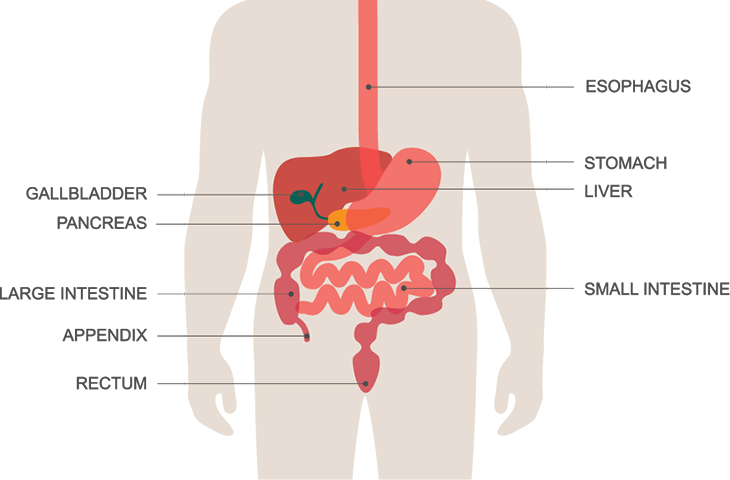
Topics to Cover During Education Sessions:
- What is an ostomy? How do I manage my stoma? Dietary referrals post-surgery?
This details develops the foundation for reliable self-care techniques among patients.
Complex Digestive tract Treatment Program Offerings
Courses concentrated on complex bowel care provide both theoretical understanding and useful skills crucial for managing ostomies effectively:
Understanding different sorts of stomas Equipment familiarization Emergency measuresBy offering obtainable programs like these, health care facilities can much better equip both people and caretakers alike.
Physical Elements: Taking care of Life with a Stoma
Daily Monitoring Routines
Creating a structured day-to-day routine helps individuals really feel a lot more secure with their brand-new lifestyle changes:
Regular cleansing regimens. Monitoring dietary intake. Keeping track of clinical appointments.These practices foster independence while lessening complications associated with bad administration practices.

Nutrition After Stoma Surgical procedure: What Ought To I Eat?
Diet plays a crucial role in keeping gastrointestinal health and wellness post-surgery:
Foods Beneficial for Stoma Sufferers:
- High-fiber foods (when cleared by healthcare providers) Adequate hydration Low-residue foods initially
Consulting with nutritional experts learnt ostomy diets makes certain customized meal plans based on individual needs.
Community Resources Available for Patients Going Through Stoma Surgery
Accessing Neighborhood Organizations & Services
Local organizations often offer sources such as informative pamphlets, complimentary assessments, or workshops particularly geared towards supporting those dealing with ostomies.
Benefits Include:
Networking opportunities Educational materials Emotional assistance resourcesBeing aware of available solutions equips people during their healing journey.
FAQs About Producing a Supportive Atmosphere for Individuals Going Through Stoma Surgery
1. What is an ostomy?
An ostomy is a surgically-created opening (stoma) that attaches an internal body organ to the outside body surface, permitting waste elimination when regular paths are jeopardized because of health problem or injury.
2. Just how crucial is psychological assistance after stoma surgery?
Emotional assistance is important; it aids address anxieties connected to physical adjustments while advertising mental health throughout recuperation through neighborhood engagement and counseling options readily available in your area or online.
3. Where can I discover stoma care training programs?
Stoma treatment training programs may be offered through medical facilities or area companies specializing in gastrointestinal health and wellness; furthermore, on the internet courses are available using platforms like NDIS that concentrate on complex bowel care training methodologies customized particularly toward caring for ostomates.
4. Can diet regimen affect my recovery post-stoma surgery?
Yes! Diet regimen plays a considerable role in recovery after surgical procedure; therefore it's essential that you speak with medical care experts regarding suitable dietary choices customized particularly in the direction of your unique demands adhering to an ostomy procedure!
5. Are there any type of restrictions on activities after getting an ostomy?
Generally speaking there aren't rigorous restrictions versus physical activity following operations - however engaging fully back into sporting activities must occur just after examination with medical professionals that recognize your details recovery trajectory best!
6. The length of time does it take before readjusting back right into daily routines?
Adjustment durations vary substantially from person-to-person relying on specific situations surrounding each situation - nonetheless most locate returning progressively into day-to-day tasks becomes possible within weeks/months complying with successful rehab initiatives assisted by experienced nurses/caregivers familiarized ahead of time with correct educational channels!
Conclusion: Equipping Lives Post-Stoma Surgery
Creating a helpful setting for people undertaking stoma surgical procedure includes numerous components-- education, emotional support systems, access to resources-- and most notably fostering open lines of interaction in between all parties included throughout this transformative journey!
By embracing not just technical aspects but also emotional considerations within caregiving frameworks (e.g., with programs like complex bowel care training), we encourage people dealing with significant life adjustments originating from surgical interventions relating directly in the direction of improving general quality-of-life outcomes relocating forward!