Introduction
Navigating the intricacies of bowel treatment is an important element of health care that frequently goes undetected until it becomes a pressing problem. The intricacies associated with digestive tract management can be daunting, especially for individuals who have undertaken ostomy procedures or those caring for patients with complicated bowel requirements. This write-up aims to shed light on various facets of digestive tract what is ostomy care treatment, concentrating on training for caregivers, specialized programs, and sensible support for handling conditions connected with stomas and ostomies.
Understanding Digestive tract Treatment Management
What is Bowel Care?
Bowel treatment refers to the variety of methods and interventions made to maintain optimum bowel health and wellness and function. It incorporates various activities that advertise normal defecation while addressing issues like constipation, looseness of the bowels, and the management of ostomies.
The Importance of Digestive tract Care
Why is bowel care crucial? Correct digestive tract monitoring is critical not only for physical health and wellness but also for emotional wellness. Issues such as incontinence or irregular bowel movements can bring about pain, humiliation, and social isolation. As a result, recognizing how to handle these obstacles effectively is vital.
Common Digestive tract Problems
Some common bowel problems consist of:
- Constipation: Problem in passing stools. Diarrhea: Frequent loose or watery stools. Fecal Incontinence: Failure to control bowel movements. Ostomy-related Issues: Issues emerging from surgical stoma creation.
Complex Bowel Care Training
What is Complex Bowel Care Training?
Complex bowel care training equips caregivers with the knowledge and abilities required to manage people with intricate bowel requires properly. This training usually consists of subjects such as nutrition, medicine monitoring, and techniques for handling ostomy care.
NDIS Complex Bowel Care Training
For those involved in the National Disability Insurance Policy Plan (NDIS), specialized programs are available that focus on complex bowel care. These programs aim to give caregivers with a robust understanding of ideal methods for aiding people with impairments that might call for particular interest pertaining to their digestive tract health.
Stoma Care Training for Carers
Stoma care training is crucial for anyone involved in taking care of individuals with ostomies. This training covers important info concerning handling stomas, acknowledging issues, and comprehending the psychological impact on patients.
Courses Readily available in Bowel Care
Bowel Treatment Courses Overview
Numerous companies provide structured training courses targeted at boosting knowledge in bowel care management. These might range from introductory sessions to sophisticated specialized training.
Complex Digestive tract Care Training course Options
For those seeking extensive education and learning around, complex bowel care courses dig much deeper into subjects like:
- Anatomy & & Physiology Nutritional Considerations Psychological Support Practical Skills
Benefits of Taking Bowel Care Courses
Taking a program can supply various benefits:
- Improved confidence in handling digestive tract issues Better individual outcomes through efficient interventions Enhanced interaction abilities when dealing with healthcare professionals
Caring for an Ostomy: Essential Knowledge
What is a Stoma?
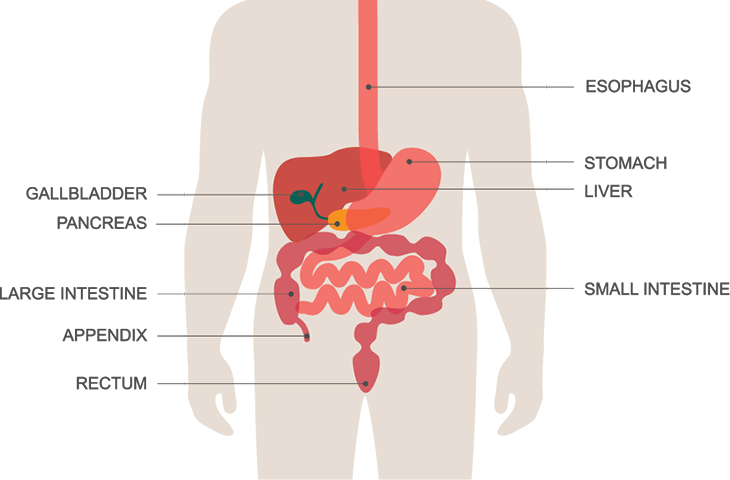
A stoma is an opening up produced surgically on the abdomen that permits waste products from the body to be eliminated outside instead of with the rectum.
Types of Ostomies
There are various sorts of ostomies, including:
Colostomy: Diverts part of the colon via an opening. Ileostomy: Diverts waste from the ileum (little intestine). Urostomy: Diverts urine away from an infected bladder.What is Ostomy Care?
Ostomy care includes maintaining health around the stoma site while guaranteeing appropriate fitting and use home appliances developed for waste collection.
Practical Methods for Stoma Care Management
Daily Stoma Maintenance Routine
Establishing a day-to-day regimen is crucial:
Clean around the stoma with light soap and water. Inspect the skin surrounding the stoma regularly. Change ostomy bags as per standards supplied by medical care professionals.Recognizing Indications of Complications
Being vigilant regarding possible problems-- such as skin irritation or infections-- can substantially boost outcomes.
Nutrition's Duty in Digestive tract Health
Dietary Considerations Post-Ostomy Surgery
Diet plays a critical duty in taking care of gastrointestinal wellness post-surgery:
Introduce high-fiber foods gradually. Stay moisturized by consuming lots of fluids. Monitor foods that might cause gas or blockages.Consulting Dietary Specialists
Engaging a dietitian accustomed to ostomy care can assist customize nutritional choices that sustain total well-being while taking into consideration individual choices and tolerances.
Emotional Aspects of Coping with an Ostomy
Addressing Emotional Well-being
Living with an ostomy can activate emotional reactions varying from anxiousness to anxiety. It's important to resolve these feelings honestly:
Join support system or therapy sessions. Share experiences with others who understand your journey.Building Strength Via Support Networks
Support networks can be critical in cultivating strength among people adjusting to life after ostomy surgery.
FAQ Section
1. What is complex bowel care?
Complex digestive tract care entails specific methods focused on taking care of detailed gastrointestinal conditions that need tailored treatments and ongoing analysis by trained professionals.
2. How do I come to be accredited in stoma care?
To become certified in stoma care, one usually needs to complete approved training programs specializing in ostomy monitoring given by identified organizations or organizations.
3. Exist specific diets advised for ostomy patients?
Yes! Many ostomy patients take advantage of high-fiber diet regimens originally introduced gradually while staying clear of certain foods understood to cause gas or blockages.
4. Can I still join sporting activities after having an ostomy?
Absolutely! With correct precautions-- like wearing supportive garments-- many people go back to sports after healing from surgery.
5. Just how commonly must I change my ostomy bag?
The frequency relies on specific scenarios; however, many healthcare providers advise altering bags every 3-7 days unless there are indications indicating a lot more regular changes are needed because of leakages or irritation.
6. Is psychological support offered for people dealing with an ostomy?
Yes! Lots of companies provide therapy solutions especially aimed at supporting people dealing psychologically with their new way of living adhering to surgical treatment entailing stomas or various other complicated issues related to their bowels.
Conclusion
Navigating the intricacies of bowel care calls for a multifaceted approach including education, useful skills growth, and psychological support systems customized in the direction of private requirements-- specifically when dealing directly with problems like ostomies where specialized understanding ends up being crucially advantageous both physically and psychologically speaking!
By appealing fully via opportunities such as NDIS complex bowel care training alternatives together with positive steps taken daily relating to diet regimen adjustments alongside looking for specialist recommendations whenever required-- all contribute positively towards accomplishing excellent outcomes leading in the direction of improved quality-of-life experiences moving forward successfully browsing these waters expertly over time with each other collaboratively!
